How to Set Your Small Business Marketing Budget for 2027

November 16, 2026

Small business owner reviewing plans for next year's marketing

Why Your Small Business Marketing Budget Deserves Proper Planning

November is when many business owners start thinking about the year ahead, and one question comes up in almost every conversation we have: how much should we spend on marketing? Setting a small business marketing budget is rarely exciting, but getting it right is one of the biggest factors in whether next year feels like growth or guesswork.

Without a plan, marketing spend tends to drift. Money goes on whatever seems urgent that month, such as a boosted post, a directory listing or a last-minute advert, and nobody can say what actually brought in customers. A clear budget gives you focus, makes results easier to measure and stops good opportunities being missed because the money has already gone.

In this guide our team explains how to work out a sensible figure for 2027, how to split it across channels, how to protect it from waste and how to judge whether it is working. Whether you spend a few hundred pounds a month or several thousand, the same principles apply and they will help you make every pound count.

How Much Should a Small Business Spend on Marketing?

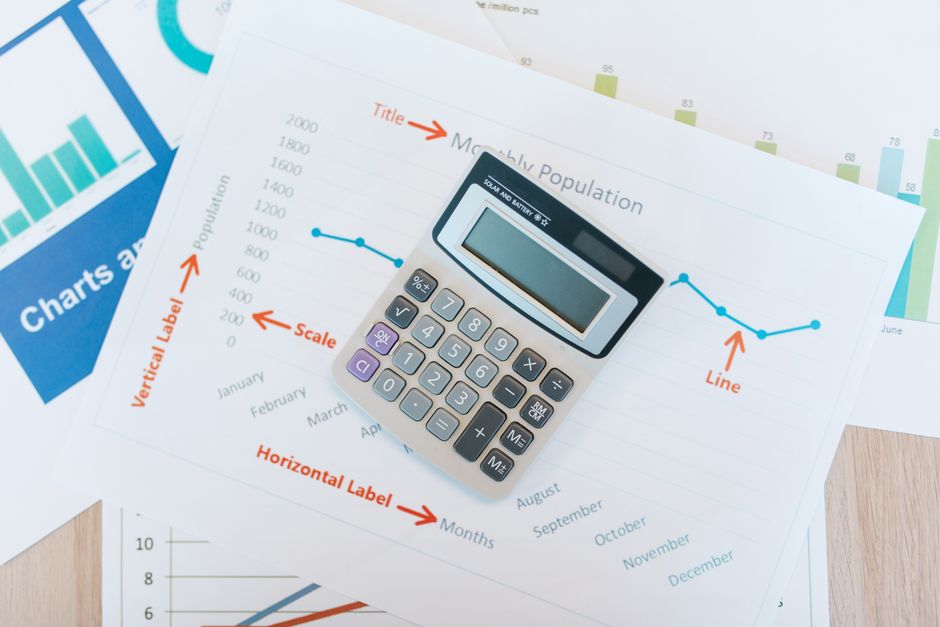
The most common benchmark is between 5% and 12% of annual revenue, with many established small businesses settling at around 7% to 8%. Newer businesses trying to build awareness often spend at the higher end, while firms with a loyal customer base and plenty of repeat work can usually spend less and still grow steadily.

Percentages are a useful sense check, but they should not set the figure on their own. Your margins matter more. A business with healthy margins can afford to invest more to win each customer, while a low-margin business needs to be careful. Start by working out what a new customer is worth to you over a year, then decide what you can comfortably pay to win one.

That number becomes your guide for every channel. If a new client is worth £2,000 in profit and you can afford to spend £300 to win them, you can judge any activity against it. For example, it shows quickly whether a Google Ads campaign is paying its way, and how many enquiries you need each month to justify the spend.

Calculating what percentage of revenue to spend on marketing

Start With Your Goals, Not Your Channels

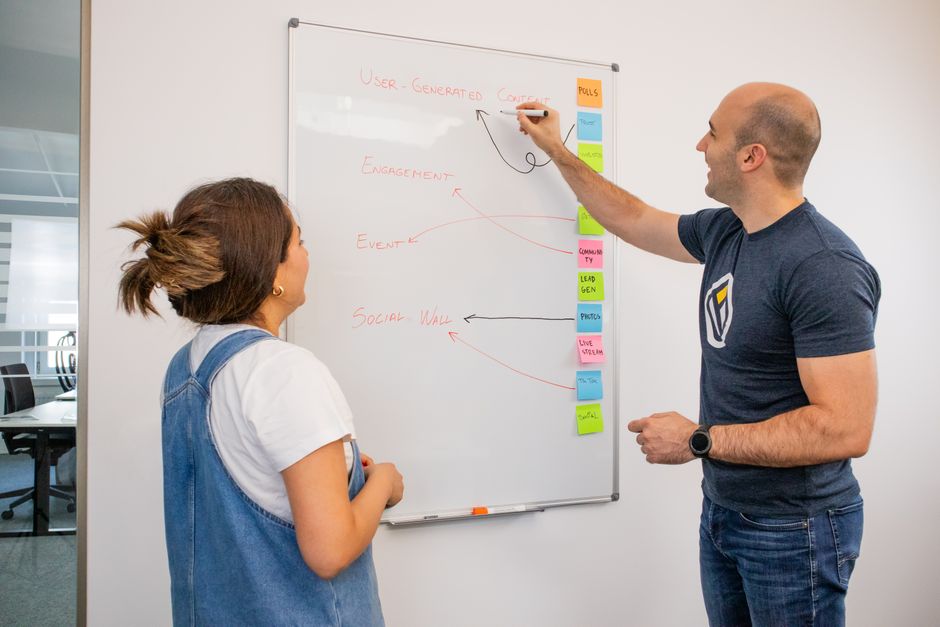
Before deciding where the money goes, be clear about what you want it to achieve. More enquiries, more online sales, more bookings in quiet months and a stronger presence in a new area are all valid goals, but each needs a different mix of activity. Write down two or three specific targets for 2027, such as twenty extra enquiries a month.

Next, look back at this year. Which channels brought in customers, and which simply cost money? Check your analytics, your enquiry forms and your sales records, and ask new customers how they found you. Even rough answers are valuable. Many businesses discover that one or two channels do most of the work while others quietly drain the budget.

Use those findings to build your plan around what already works, then set aside a smaller amount to test something new. If your website struggles to turn visitors into enquiries, fix that first, because every other channel depends on it. Our web design team often finds that improving a site lifts the results of all the marketing that sends traffic to it.

Business team setting marketing goals for the year ahead
Chart showing how a marketing budget is split across different channels

How to Split Your Budget Across Channels

A simple approach that works for most small businesses is to divide spending into three parts. Put around 70% into proven channels that reliably bring in customers, around 20% into growing channels that show promise, and around 10% into experiments. This keeps your income steady while still giving you room to find the next good opportunity.

For many local and service businesses, the proven channels are search based, as people looking for a service right now are ready to buy. That usually means a mix of SEO for long-term visibility and paid search for immediate enquiries. Social media, email marketing and content then support these by building trust and bringing past customers back.

Remember to budget for the work as well as the media. Advertising spend is only part of the cost, because someone needs to create the adverts, write the content, design the emails and manage the campaigns. Whether that is your own time, a freelancer or an agency, include it in the plan so your budget reflects the real cost of doing marketing well.

Balance Quick Wins With Long-Term Growth

Paid advertising can produce enquiries within days, which makes it tempting to put everything there. The catch is that results stop as soon as the spending stops. Organic activity such as SEO and content takes longer to build, often several months, but it keeps working in the background and tends to lower your cost per customer over time.

The healthiest budgets combine both. Paid campaigns keep enquiries flowing while your organic visibility grows, and as rankings improve you can gradually shift money towards the channels with the best return. This is especially important now that AI search tools increasingly recommend businesses with strong, well-structured websites and a good reputation across the web.

If you are starting from scratch, we usually suggest a heavier paid share in the first few months, then a steady rebalance as organic results arrive. A planned SEO strategy running alongside your advertising means you are not reliant on a single channel, which protects your business if advertising costs rise or a platform changes its rules.

Coins and a growing plant representing long-term marketing growth

Track Results and Protect Your Budget From Waste

A budget is only useful if you know what it is producing. Make sure your website tracks enquiries, calls and sales properly, and that each channel can be measured against the cost of winning a customer. If you cannot see which activity brought in which customer, you are guessing, and guesswork is where most wasted marketing spend comes from.

Review your figures every month and hold a proper review every quarter. Look at cost per enquiry, cost per sale and the quality of the leads, not just the number of clicks or likes. If a channel has had a fair trial and still is not delivering, move the money to something that is. A budget should be a plan you adjust, not a fixed promise.

Watch out for common leaks such as advertising running in areas you do not serve, subscriptions nobody uses and campaigns left on autopilot for months. Small savings soon add up. Our case studies show how businesses we work with have reduced wasted spend and redirected it towards the activity that brings in real customers.

Marketing analytics dashboard used to track budget performance
Confident small business owner ready for a successful year of marketing

Make 2027 Your Best Year for Marketing Results

A good small business marketing budget is not about spending the most. It is about knowing what a customer is worth, putting money into the channels that work, testing new ideas carefully and reviewing results often. Businesses that plan this way get far more from the same spend than those who react month by month.

Take an hour this month to look at your figures from 2026, set two or three clear goals and sketch out a split across proven, growing and experimental channels. Then put a date in the diary each quarter to review it. That small amount of planning will make every decision next year quicker and more confident.

At Primedia we help businesses across Wales and the UK plan and manage marketing budgets that deliver measurable results. If you would like a second opinion on your plans for 2027, or help deciding where your money will work hardest, contact our team for a friendly, no-obligation chat about your goals.

Common questions about setting a small business marketing budget

Frequently Asked Questions

What percentage of revenue should a small business spend on marketing?

Most small businesses spend between 5% and 12% of annual revenue on marketing, with around 7% to 8% a common figure for established firms. New businesses building awareness often spend more. Your margins and the value of a new customer should guide the final figure rather than a percentage alone.

Estimate the profit a typical new customer brings in over a year, or over their lifetime with you, then decide what share of that you are comfortable spending to win them. This gives you a target cost per customer that you can use to judge every marketing channel.

Most small businesses benefit from both. Paid advertising brings enquiries quickly but stops when spending stops, while SEO takes several months to build and then keeps delivering. A common approach is a heavier paid share at first, shifting towards organic activity as rankings improve.

Check the key figures monthly, such as cost per enquiry and cost per sale, and hold a fuller review every quarter. This lets you move money away from channels that are not performing and into those that are, without waiting until the end of the year.

Yes. Your marketing budget should cover the people who create and manage the work as well as the advertising spend itself. Including design, content, campaign management and your own time gives a realistic picture of the true cost and return of each channel.

Share:

Facebook
X
LinkedIn

Related articles: