How to Write a Website Brief That Gets You a Great Website in 2026

November 5, 2026

Small business team planning a new website project together

Why a Good Website Brief Matters

Most website projects that go wrong do not fail because of poor design or bad code. They fail because nobody agreed at the start what the website was actually for. A clear website brief fixes that. It is a short document that explains your business, your goals and what you need, so any agency or freelancer can understand the job before they quote.

A good brief saves you money and time. It means the quotes you receive are based on the same information, so you can compare them fairly. It reduces the back and forth during the project, and it gives everyone a shared reference point when decisions need to be made about pages, features or design choices.

In this guide we walk through exactly what to include in a website brief, based on what our team sees every week when businesses approach us for a new site. You do not need technical knowledge to write one. You simply need to be honest about where your business is now and where you want it to go.

Start With Your Business and Your Goals

Open your brief with a short overview of your business. Explain what you sell, who you sell to, where you operate and what makes you different from competitors. A few clear paragraphs are enough. This context helps a designer understand the tone, structure and priorities of your site before they sketch a single page.

Next, set out what the website must achieve, and make it measurable. “We want a modern website” tells an agency very little. “We want 20 qualified enquiries a month” or “we want to sell online and cut phone orders by half” gives them something to design around and gives you a clear way to judge success after launch.

Your goals shape every later decision, from the number of pages to the calls to action on each one. If you are unsure what realistic targets look like, our web design team can help you benchmark against similar businesses. It is far easier to agree goals now than to retrofit them once the site is built.

Writing measurable business goals for a new website

Review What Works and What Does Not on Your Current Site

If you already have a website, it is one of the most useful sources of information for your brief. List what frustrates you about it, what customers complain about and what you would keep. Perhaps the pages are slow, the contact form rarely gets used or you cannot update anything without calling a developer.

Look at the data as well. Your analytics and Search Console will show which pages bring in visitors, which ones people leave quickly and which search terms already find you. Pages that rank well are valuable, so note them in the brief. A redesign that ignores existing rankings can wipe out months of hard-won visibility overnight.

Ask your agency how they will protect that traffic during the move, including redirects from old addresses to new ones. If search visibility matters to your business, involve an SEO specialist from the start rather than after launch. It costs far less to plan a migration properly than to recover lost rankings afterwards.

Reviewing website analytics before writing a website brief
Target customers browsing a small business website on a smartphone

Describe Your Audience and the Content You Have

Describe the people you want the website to reach. Think about who they are, what problem brings them to you, what questions they ask before buying and what might put them off. Two or three short customer profiles are usually enough to help a designer plan the structure, wording and journey through the site.

Then be honest about content. Content readiness is the biggest single cause of delayed website launches. State which pages you will write yourself, which you need help with, and whether you have good photography, testimonials and case studies ready to use. Rough drafts are fine. What matters is that everyone knows who is responsible for each piece.

It also helps to list the pages you think you need, such as services, about, pricing, FAQs and contact. Your agency may suggest changes, and that is a good sign. A rough sitemap gives everyone a starting point, makes quotes more accurate and stops the project growing quietly in scope once work is under way.

List the Features and Functions You Need

Write down everything the website must do, beyond simply displaying information. This might include online booking, enquiry forms, a shop, customer logins, a blog, live chat, multiple languages or integration with your CRM or email platform. Split the list into must-haves and nice-to-haves so agencies can quote for both and you can prioritise within your budget.

Mention the practical requirements too. Who will update the site day to day, and how comfortable are they with technology? Do you need to meet accessibility standards, use a particular platform or keep your existing hosting? These details have a big effect on cost, and leaving them out is a common reason quotes vary so widely.

If you plan to sell online, say so clearly and explain how many products you have, how you handle delivery and which payment methods you want. Our e-commerce team regularly sees online shop projects underquoted because these basics were missing from the original brief, which then leads to awkward conversations later on.

Website features such as online booking and enquiry forms

Show Your Design Taste, Budget and Timeline

Words like clean, modern and professional mean different things to different people, so show rather than tell. Include links to three to five websites you like, explaining what appeals about each, plus one or two you dislike. Attach your logo, brand colours and fonts if you have them. This removes guesswork and leads to better first drafts.

Always include a budget range. Many businesses hold it back, worried that agencies will simply spend it all, but without a figure you will receive quotes for very different projects. A range lets an agency recommend the best solution for what you can invest. Remember to allow for ongoing costs such as hosting, maintenance and updates.

Finally, give a target launch date and explain any deadlines behind it, such as a trade show or seasonal peak. Name who will make decisions and approve designs, and agree how many rounds of revisions are included. Looking at an agency’s case studies alongside their quote will also show you how they handle projects like yours.

Mood board of colours and design examples for a website brief
Primedia web designer discussing a website brief with a client

Turn Your Brief Into a Website That Delivers

A strong website brief does not need to be long. Two to four pages covering your business, goals, current site, audience, content, features, design taste, budget and timeline is plenty. Send the same brief to every agency you approach and you will be able to compare proposals properly, on a like-for-like basis.

Treat the brief as the start of a conversation rather than a fixed contract. A good agency will ask questions, challenge assumptions and suggest better ways to reach your goals. If an agency quotes without asking anything at all, that is often a sign they have not read your website brief closely enough.

At Primedia we help businesses across Wales and the UK plan, design and build websites that win enquiries and sales. If you have a brief ready, or would like help writing one, contact our team for a friendly, no-obligation chat about your next website and what it could do for your business.

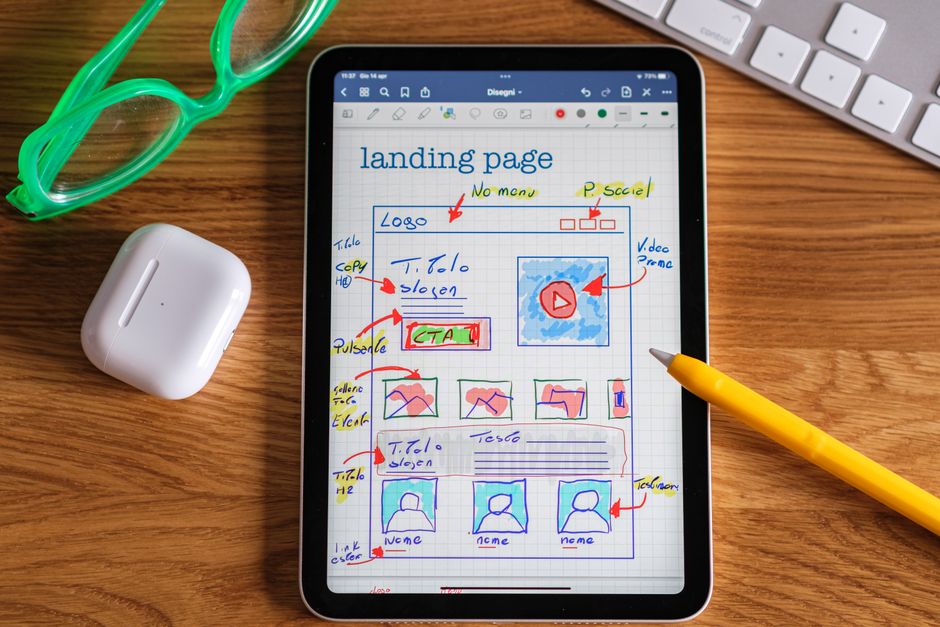
Website wireframe sketches representing the website planning process

Frequently Asked Questions

What should a website brief include?

A website brief should cover your business overview, measurable goals, a review of your current site, your target audience, content status, required features, design preferences, budget range, timeline and who will make decisions. Including all of these helps agencies give accurate, comparable quotes.

Most small business website briefs are two to four pages long. The aim is clarity rather than length. Cover each key area in a few sentences or bullet points, and attach supporting material such as brand guidelines, example websites and existing content separately.

Yes. Sharing a budget range helps agencies recommend a solution that fits what you can invest, and it makes quotes far easier to compare. Without a budget, you are likely to receive proposals for very different projects at very different prices.

It can, if pages are removed or addresses change without redirects. Note your best-performing pages in the brief and ask your agency how they will protect existing rankings, including redirect plans and checks after launch. A well planned redesign can improve visibility rather than harm it.

Not necessarily. Some businesses write their own copy, while others ask their agency or a copywriter to help. Whichever route you choose, state it clearly in your brief, because content is the most common cause of delayed launches and affects the project cost.

Share:

Facebook
X
LinkedIn

Related articles: