Short-Form Video for Small Businesses: What Actually Gets Watched in 2026

September 28, 2026

Customer watching a short vertical video on a smartphone

Why Short-Form Video Matters More Than Ever in 2026

Short-form video for small businesses has moved from a nice extra to the main way new customers discover you on social media. Instagram, TikTok, YouTube and even LinkedIn now push vertical video to the top of every feed, and people who would never click through to a website will happily watch thirty seconds of someone explaining how they work.

The encouraging part is that the businesses doing well are rarely the ones with the biggest budgets. Audiences in 2026 have grown tired of polished adverts and reward videos that feel like a real person made them for other real people. A plumber talking through a common leak on a phone camera can outperform a slick brand film costing thousands.

That gives small firms a genuine advantage, because you already have the thing larger competitors struggle to fake, which is a recognisable face and real expertise. In this guide we share what our team sees working for clients right now, from the videos worth making first to the habits that keep a channel going without swallowing your week.

What Actually Gets Watched (and What Gets Scrolled Past)

The first two seconds decide everything. Viewers scroll with their thumb hovering, so a video that opens with a logo, a slow pan or a cheery hello is gone before it starts. Open with the problem instead. Lines such as “three things that make a boiler service fail” or “why your quote went up this year” give people a reason to stay.

Useful beats clever. The videos we see performing consistently answer a question customers already ask, show a process from start to finish, or reveal something behind the scenes that nobody normally sees. Before and after clips, quick myth busting and honest price explanations all work well, because they build trust while quietly demonstrating that you know your trade.

Length matters less than pace. Most platforms now allow clips of up to three minutes, yet for most small businesses the sweet spot is fifteen to sixty seconds, with every second earning its place. Add captions to everything, since a large share of people watch with the sound off. Our social media team treats captions as essential rather than optional.

Tradesperson explaining a job directly to a phone camera

Choosing the Right Platform for Your Videos

You do not need to be everywhere, and trying to usually means doing everything badly. Instagram Reels reaches the broadest age range and suits most local and consumer businesses. TikTok skews younger but is increasingly used as a search engine for recommendations. YouTube Shorts feeds into the wider YouTube and Google ecosystem, which gives videos a much longer shelf life.

For business to business firms, LinkedIn video is the one to watch. Native video on LinkedIn has grown sharply, and a short clip of a founder explaining a common client mistake will often reach further than a text post with a link. Facebook still matters too, particularly for audiences over forty and for community focused local businesses.

Our advice is to pick one main platform where your customers genuinely spend time, then repurpose the same video elsewhere with small tweaks. A single clip can serve as a Reel, a Short and a LinkedIn post in the same week. Video content also supports your wider search visibility, because YouTube results regularly appear in Google and in AI answers.

Social media apps on a phone screen used to share short videos
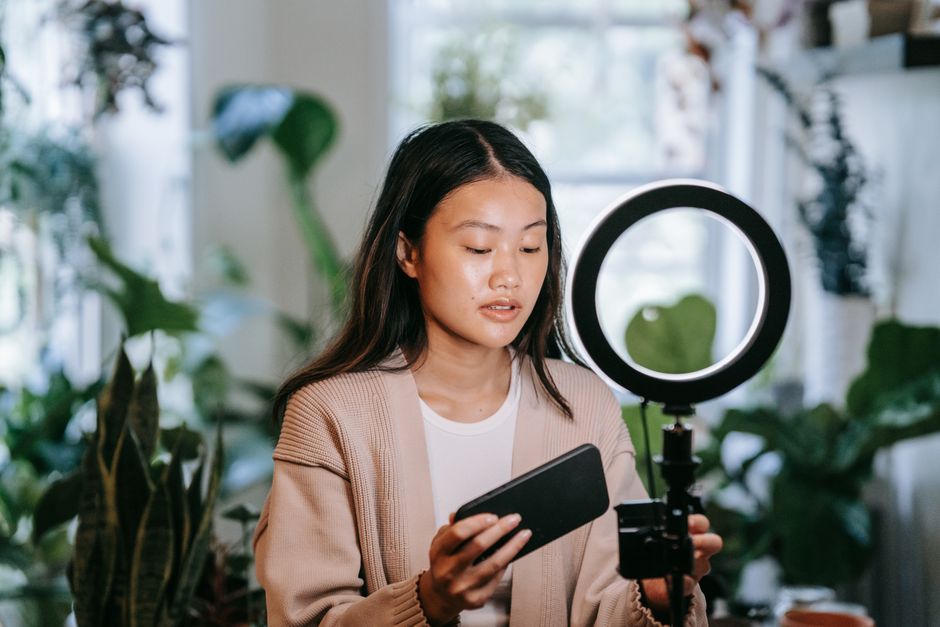
Simple smartphone filming setup with a ring light and microphone

The Simple Kit and Workflow You Actually Need

A modern smartphone is enough. Add a clip-on microphone for around thirty pounds and a small ring light or a spot near a window, and you have everything needed for clear, watchable video. Poor sound loses viewers far faster than slightly imperfect footage, so if you only buy one thing, make it the microphone.

The workflow matters more than the gear. We recommend a monthly batch session where you film eight to twelve short clips in a single hour, working from a list of customer questions gathered over the previous weeks. Free editing apps such as CapCut or the tools built into Instagram handle trimming, captions and music in minutes.

AI tools now save real time here as well. They can transcribe your footage, suggest hooks, pull the best moments out of a longer recording and generate captions automatically. Use them to speed up the editing, but keep your own voice and face at the centre. The human element is exactly what makes small business video work.

Turning Views Into Enquiries and Sales

Views feel good, but they do not pay the bills. Every video should have a clear next step, even a gentle one, such as “book through the link in our bio” or “message us the word quote”. Keep the call to action short and consistent across your videos so that regular viewers learn exactly what to do when they are ready.

Make sure the place people land is ready for them. If a video sends viewers to your website, the page should load quickly on a phone, match the offer mentioned in the clip and make contacting you effortless. We regularly see strong video campaigns undermined by a slow or confusing site, which is why mobile-first web design matters so much.

Short-form video also works well as paid advertising. A clip that performs strongly with your organic audience is a proven candidate for a small promoted budget, often at a far lower cost per click than a static image. Test with modest spend, keep the winners running and let the data, rather than guesswork, decide where the money goes.

Customer booking an appointment on a smartphone after watching a video

Measuring What Works and Staying Consistent

Ignore vanity numbers and focus on three measures. Average watch time tells you whether the hook and pace are working. Shares and saves show that people found the content genuinely useful. Profile visits, website clicks and direct messages tell you whether video is producing real business, which is the only result that ultimately counts.

Consistency beats volume. Two or three good videos a week, every week, will build more momentum than a burst of twenty followed by silence. Platforms reward accounts that post reliably, and customers begin to recognise you. Review your figures monthly, make more of whatever holds attention and quietly drop the formats that consistently fall flat.

Give it a proper run before judging the results. Most businesses need around three months of steady posting to find their style and their audience. If you would like help planning a content calendar or building a filming routine that fits around a busy working week, get in touch with our team for a friendly chat.

Business owner reviewing video performance analytics on a laptop
Friendly small business owner in their shop ready to film

Start Small, Stay Human and Keep Going

Short-form video for small businesses is not about going viral. It is about showing up regularly in front of the people most likely to buy from you, answering their questions and letting them get to know the person behind the business before they ever pick up the phone.

Start with the five questions customers ask you most often and turn each into a short, captioned clip this month. Post them on the one platform that matters most to your audience, keep an eye on watch time and enquiries, and build from there. Small, steady steps will outperform an ambitious plan that never actually leaves the drawing board.

At Primedia we help businesses across Wales plan, film and promote short-form video that brings in real enquiries rather than empty views. Whether you need a full content strategy, paid promotion or just a push to get started, our team is happy to help. Contact us today and let us talk about what video could do for you.

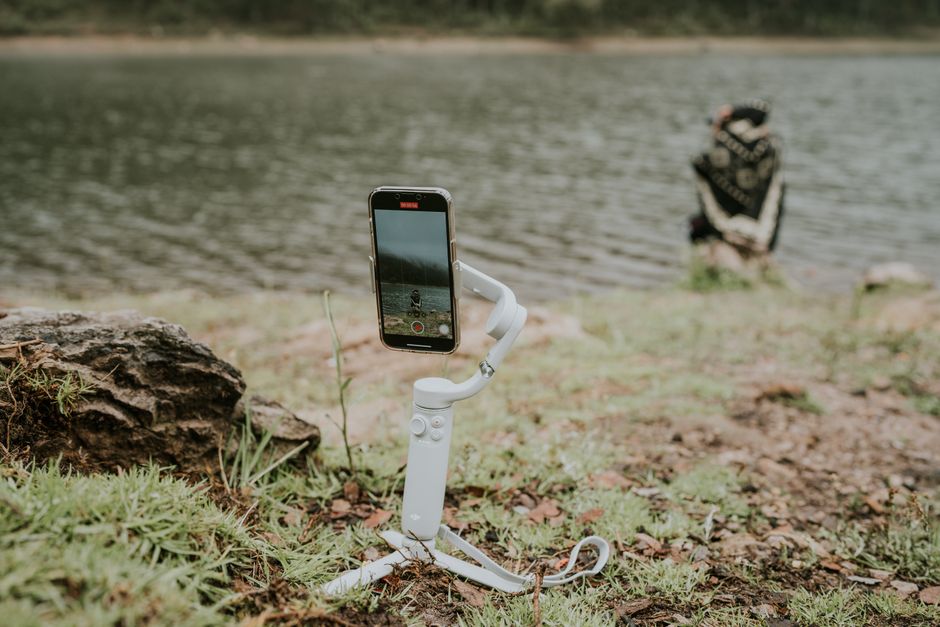
Person recording short-form video content on a smartphone

Frequently Asked Questions

How long should a short-form video be for a small business?

For most small businesses, fifteen to sixty seconds works best. Platforms such as Instagram and YouTube Shorts now allow up to three minutes, but shorter clips with a strong opening and a quick pace usually hold attention better. Educational or step by step content can run a little longer if every second is useful.

It depends on your customers. Instagram Reels suits most local and consumer businesses, TikTok reaches younger audiences, YouTube Shorts has the longest shelf life in search, and LinkedIn works best for business to business firms. Choose one main platform and repurpose the same clips on the others.

No. A modern smartphone, a clip-on microphone and good natural light are enough for clear, watchable video. Audiences in 2026 respond better to authentic, creator style content than to polished adverts, so clear sound and useful content matter far more than expensive cameras or editing.

Two or three videos a week is a realistic and effective target for most small businesses. Consistency matters more than volume, so filming a batch of clips once a month and scheduling them steadily works better than posting in occasional bursts.

Look beyond views. Track average watch time, shares and saves, and most importantly profile visits, website clicks and direct messages. If those numbers grow over three months of steady posting, video is contributing to real enquiries and sales.

Share:

Facebook
X
LinkedIn

Related articles: