Google Core Update November 2026: What Small Businesses Should Do Next

November 24, 2026

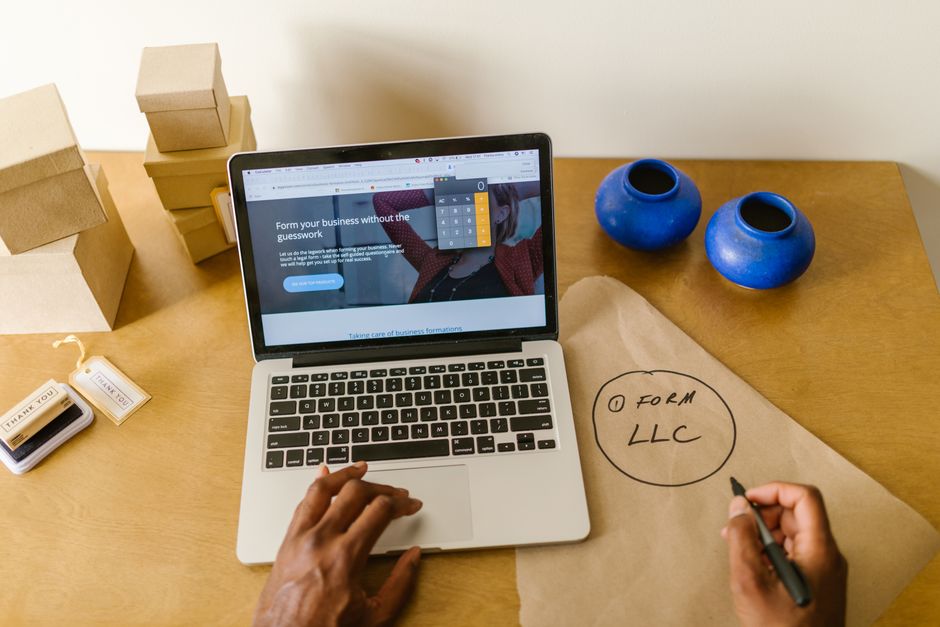
Small business owner checking website rankings after a Google update

What the November 2026 Google Core Update Means for Your Business

On 10 November 2026 Google began rolling out its latest Google core update, the third of the year after the March and May updates. Google said the rollout could take up to two weeks and applies worldwide, in every language. If your enquiries or rankings have changed this month, there is a good chance this update is part of the reason.

A core update is not a penalty. Google describes these updates as regular changes designed to surface relevant, satisfying content. In practice, Google reassesses how well pages answer what people are searching for, so some sites rise, some fall and many barely move. The changes can also affect Discover and featured snippets, not just the standard results.

In this guide our team explains how to tell whether the update has really affected you, why you should not rush into changes, and what practical steps tend to help a site recover. We also cover the timing issues that make November particularly confusing, so you can make calm, sensible decisions based on reliable data rather than guesswork.

Why You Should Not Panic During the Rollout

Rankings often swing up and down while a core update rolls out, and early movement is not always where things settle. Rank trackers even recorded big changes on 9 November, the day before the official announcement. Making major edits to your site in the middle of this period can make it much harder to work out what actually caused any change.

Google’s own advice is to wait until the rollout has finished, then give it at least another week before comparing your results with the period before the update started. That means looking at data from late November or early December against the first week of November, rather than reacting to a single bad day.

If you work with an SEO agency, this is the time to ask for a clear before and after comparison rather than quick fixes. A good partner will separate genuine ranking losses from normal fluctuation and explain which pages and search terms were affected, so any action you take is aimed at the right place.

Business owner calmly reviewing website performance data

How to Check Whether the Update Has Affected You

Start in Google Search Console. Open the Performance report and compare clicks and impressions for a full week after the rollout with a full week before 10 November. Look at queries and pages separately, because a drop across the whole site tells a very different story from a fall on a handful of pages or one service.

Be careful with the timing. Black Friday and Cyber Monday change how people search, so a shop may see a rise that has nothing to do with rankings, while a service business may see a seasonal dip. Google also confirmed a logging error that undercounted impressions in its AI search report between 9 and 11 November, unrelated to the update.

Finally, check whether the change shows up in real business results. Compare enquiries, calls and sales with the same weeks last year, not just with last month. Proper tracking makes this far easier, so make sure every form, call and online sale is recorded before you draw any firm conclusions about the update.

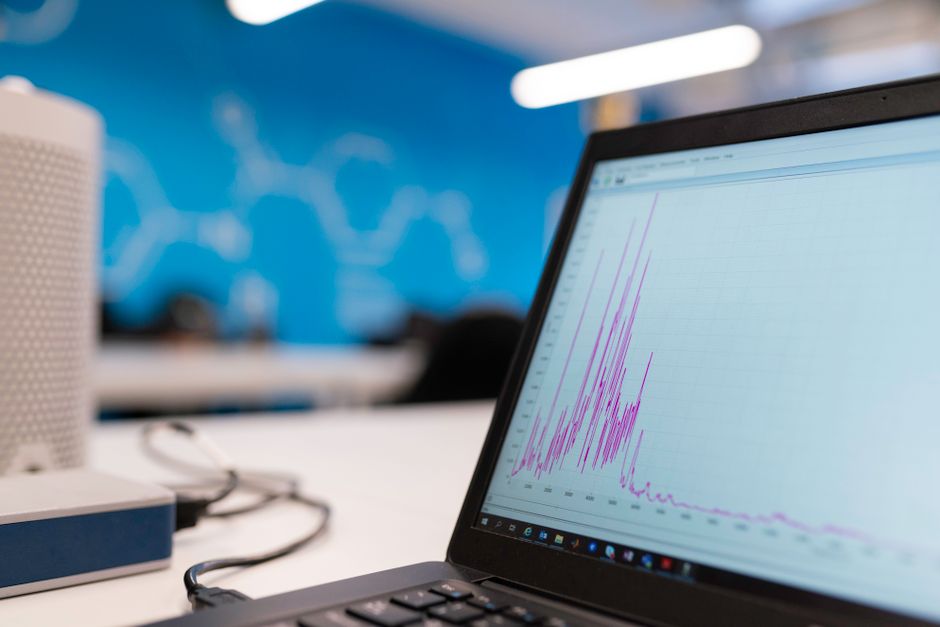
Comparing search traffic data before and after a core update
Team planning helpful website content for search visitors

What Google Rewards After a Core Update

Core updates rarely target a single tactic. Instead, they refine how Google judges whether a page is genuinely helpful. Pages that answer a question fully, show real experience and are written for people rather than search engines tend to do well over time. Thin pages that repeat what is already everywhere tend to slip.

For small businesses, the strongest signals are often the simplest. Clear service pages that explain what you do, where you work and what it costs, real photos of your team and projects, genuine reviews, and named authors with relevant experience all help show Google and your visitors that you are a trustworthy business.

This matters more now that AI search tools draw on the same signals. Content that is clear, specific and well organised is more likely to rank in the standard results and to be cited in AI answers. Building a genuinely useful website is the best long-term protection against the ups and downs of every future update.

Practical Steps to Recover Lost Rankings

If the data shows a real drop, begin with the pages that lost the most traffic. Search for the terms they used to rank for and look at what now appears above you. Ask honestly whether those pages answer the question better, offer more detail or show more first-hand experience, then improve your page so it is genuinely the best answer.

Next, tidy up the rest of the site. Combine or remove old, thin pages that add little value, update outdated information and make sure each important page has a clear purpose. Check that your site loads quickly and works well on mobile, because a frustrating experience undermines even excellent content.

Some problems are structural rather than written. Confusing navigation, duplicate pages and poor mobile layouts can hold a site back however good the copy is. In those cases our web design team can rebuild the pages that matter most, so your content has a strong foundation to recover from.

Improving website pages to recover lost Google rankings

Protect Your Business From Future Algorithm Changes

Google ran three core updates in 2026 and dozens of smaller changes, so more are certain. The businesses that cope best do not rely on one source of customers. If organic search dips for a few weeks, a steady flow of enquiries from paid search, email and repeat customers keeps the business running while rankings recover.

Paid advertising is the quickest way to fill a gap. A well managed Google Ads campaign can cover your most valuable services while you improve your organic pages, and the search term data it produces often shows which topics deserve better content on your site.

Above all, keep improving your website steadily rather than in bursts after each update. Add helpful content regularly, refresh key pages each year, collect reviews and keep your Google Business Profile up to date. A site that is always getting better tends to gain from core updates rather than fear them.

Planning a marketing strategy that does not rely on one channel
Business owner pleased with improved search rankings

Turn the Google Core Update Into an Opportunity

Every Google core update creates winners as well as losers. If your rankings dropped, the update has shown you where your site needs work. If they improved, it has confirmed that your approach is working. Either way, the right response is a calm review of the data followed by focused improvements, not a rushed overhaul.

Over the next few weeks, wait for the rollout to settle, compare like for like in Search Console, and make a short list of the pages that matter most to your business. Improve those first, measure the results and build from there. Small, steady gains add up to a stronger position for 2027.

At Primedia we help businesses across Wales and the UK understand what core updates mean for them and build websites that keep performing. If your rankings have moved and you would like an honest assessment of why, contact our team for a friendly, no-obligation review of your site.

Common questions about the Google core update

Frequently Asked Questions

What is a Google core update?

A Google core update is a broad change to how Google ranks search results. It is designed to surface relevant, satisfying content and is not a penalty aimed at particular sites. Google releases several each year, and they can affect standard results, Discover and featured snippets.

Google began rolling out the November 2026 core update on 10 November 2026 and said it could take up to two weeks to complete. It was the third core update of 2026, following updates in March and May, and applies worldwide in all languages.

Google recommends waiting until the rollout is complete and then allowing at least another week before comparing results with the period before the update. Comparing full weeks and checking against the same period last year gives a more reliable picture.

Yes. Recovery usually comes from improving the pages that lost the most traffic so they answer searches better, removing or combining thin content and improving the overall experience. Gains often show over the following weeks and at later core updates.

It is best to avoid major changes during the rollout. Rankings often fluctuate before they settle, and making big edits at the same time makes it hard to tell what caused any change. Wait for the data to stabilise, then make focused improvements.

Share:

Facebook
X
LinkedIn

Related articles: