Google Reviews for Small Businesses: The New 2026 Rules and Why AI Reads Them First

September 7, 2026

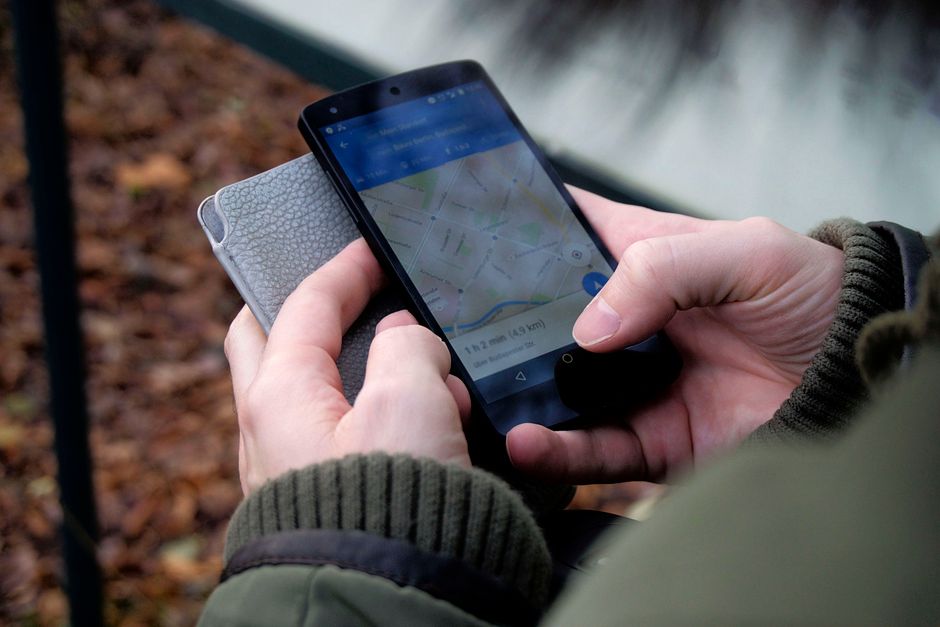
Someone searching for a local business on a phone, where reviews decide the shortlist

Why Your Star Rating Suddenly Carries More Weight

The way customers find local businesses has changed faster this year than in the whole decade before it. Research into consumer behaviour suggests AI tools jumped from around 6 per cent of local business discovery in 2025 to roughly 45 per cent in 2026, putting them behind only Google and Facebook. Google reviews for small businesses now feed those AI answers directly.

That matters because of what people do with reviews once they find them. Surveys this year put the share of consumers who read reviews before choosing a local business at around 97 per cent, and close to a quarter now rely on an AI-generated summary alone rather than reading individual comments. Increasingly, your average rating is the only thing doing the talking.

At the same time Google rewrote its own rules. In April 2026 it updated the Maps review policy and banned several tactics that businesses had relied on for years. In this article we explain exactly what changed, how reviews influence local rankings, and how to build a steady flow of genuine feedback without falling foul of the new guidance.

What Google Actually Banned in April 2026

The biggest change is that review gating is now explicitly banned. Gating means surveying customers first and pointing only the happy ones towards Google, while quietly routing unhappy ones to a private complaints form. Plenty of reputation tools sold this as a headline feature. Google now treats it as a policy breach, and the reviews it produces are at risk of removal.

Asking for reviews on your premises is also out. That covers verbal requests at the counter, tablets in the waiting room and review kiosks, all of which Google considers likely to produce pressured feedback. Staff review targets go the same way, so telling your team they need ten new reviews this week is no longer a safe way to run things.

Incentives were already discouraged and are now firmly prohibited. No discounts, no gift cards, no loyalty points and no prize draws in exchange for a rating. The principle underneath all of it is simple enough. You are free to ask any customer for an honest review, but you cannot pay for one, filter who gets asked, or script what they say.

A business owner reviewing the updated Google review policy rules

How Reviews Feed Local Rankings and the Map Pack

Reviews are not only a trust signal, they are a ranking factor. Analysts estimate that review signals, meaning quantity, recency and spread across platforms, account for roughly a fifth of what decides the Google local pack in 2026. That places them alongside proximity and profile quality rather than somewhere down in the nice to have column.

The pattern in the data is consistent. Businesses appearing in the top three map results this year average around 47 Google reviews, while those sitting in positions seven to ten average closer to 38. The gap is smaller than most owners expect, which is encouraging, because it suggests a modest but steady stream of new reviews can genuinely move you up.

Consistency matters far more than a single burst. Twenty reviews arriving in one week after a push looks unnatural and rarely helps, whereas two or three every week builds exactly the recency Google rewards. If you want to see how this sits alongside your other local signals, our SEO team in Wales covers it in every local audit we run.

Local map results, where review signals help decide the top three positions
A review request sent by message shortly after the customer experience

How to Ask for Reviews the Right Way Now

So how should you ask? Start with the timing, and move the request off your premises entirely. A short message sent a few hours after the job is finished, the meal is eaten or the order has arrived catches people while the experience is still fresh and while they are somewhere they can comfortably type a sentence or two.

Ask everyone who is eligible, not only the customers you expect to be pleased. That one habit keeps you compliant, and it also produces a more believable profile. An unbroken run of five star ratings reads as suspicious to shoppers and to AI summaries alike, whereas a genuine 4.6 average with the odd four star review reads as real.

Keep the request open and simple. Say that feedback helps other customers decide, include a direct link to your Google Business Profile, and never suggest what the review ought to say. One clear ask, one polite reminder if nothing arrives, then leave it alone. Chasing beyond that irritates people and rarely produces anything worth having.

Automating Requests Without Breaking the Rules

Doing this by hand for every customer is where good intentions quietly die. Automation solves the problem, provided the automation follows the new rules. A simple sequence that triggers when a job is marked complete, waits a sensible number of hours, then sends one email or text containing a review link will outperform any amount of trying to remember.

Where AI genuinely helps is the work around the request rather than the request itself. Sorting incoming reviews by theme, flagging anything negative within minutes, drafting replies for a human to approve, and spotting the same complaint appearing three times in a month. Our AI automation team builds precisely these workflows for clients.

Two cautions are worth holding onto. Never let a tool decide who gets asked based on a satisfaction score, because that is review gating with extra steps and it now breaches policy. And never publish an AI-written reply without reading it first, because a generic response to a serious complaint does more damage than saying nothing at all.

An automated review request workflow running after each completed job

Replying Well, and Putting Good Reviews to Work

Replying is the part most businesses skip, and it is the cheapest win on the list. Consumers say they are markedly more likely to use a business that answers its reviews, and your replies are indexed text sitting on a page Google already trusts. A short, specific and recognisably human response beats a copied template every single time.

Negative reviews need a calm process rather than a defence. Reply publicly within a day or two, acknowledge the specific problem, resist the urge to argue about the detail, and offer to continue by phone or email. Anyone reading months later is judging how you handled the complaint far more than they are judging the complaint itself.

Then put the good ones to work. Reviews sitting only on your Google profile are doing half a job, so pull them onto the pages where people actually decide, such as your service and product pages. When our web design team builds a site, real reviews go beside the enquiry form rather than on a forgotten testimonials page.

A business owner writing a considered reply to a customer review
A team planning a compliant review request routine for the months ahead

Where to Start This Month

If you take one action this month, make it an honest audit of how you currently ask. Check whether any part of your process filters customers by how happy they seem, whether anyone is asking at the counter or on a tablet, and whether staff carry review targets. All three were normal last year and are policy breaches today.

After that, build the routine. One automated request sent after every completed job, a named person replying to every review within two working days, and your strongest reviews displayed on the pages that sell. Most businesses we work with move from a handful of reviews a year to two or three every week inside a single quarter.

At Primedia we help businesses across Wales turn reviews into visibility, covering the Google Business Profile itself, the local SEO around it, and the website that has to convert the traffic once it arrives. If your ratings are thin, stale or simply absent when customers ask an AI assistant for a recommendation, get in touch and we will take a look.

A notebook ready for common questions about Google reviews for small businesses

Frequently Asked Questions

Can I still ask customers for Google reviews in 2026?

Yes. Google permits you to ask any customer for an honest review, as long as you do not offer an incentive, do not filter who you ask, and do not tell them what to write. What changed in April 2026 is where and how you ask. Requests made on your premises, including verbal asks and review tablets, are no longer allowed.

Review gating means screening customers first, usually with a satisfaction survey, then sending only the happy ones to Google while directing unhappy ones to a private form. Google banned it in April 2026 because it produces an artificially positive picture. Reviews collected this way can be removed, and the practice puts your profile at risk.

There is no fixed number, but the data gives a useful benchmark. Businesses in the top three local results average around 47 reviews, while those in positions seven to ten average roughly 38. Recency counts as well as volume, so a steady two or three new reviews each week usually helps more than a large one off batch.

Always, and quickly. Reply publicly within a day or two, acknowledge the specific issue, avoid arguing over details, and invite the customer to continue the conversation by phone or email. Future readers judge your response far more than the original complaint, so a calm and specific reply often wins business rather than losing it.

No. Incentives of any kind are prohibited, including discounts, gift cards, loyalty points and prize draws, whether offered for a positive review or simply for leaving one. Google can remove incentivised reviews and take action against the profile. The safe approach is to ask everyone, offer nothing, and make the request easy to act on.

Share:

Facebook
X
LinkedIn

Related articles: