How AI Automation Saves Small Businesses Hours Every Week

June 22, 2026

A small business owner saving time with AI automation

Why AI Automation Matters for Small Businesses in 2026

AI automation simply means letting smart software handle the repetitive, time-eating jobs that fill a working week, so you and your team can focus on the work that actually grows the business. For a small business with no spare hands, that is transformative: the same tasks still get done, only quietly in the background rather than at the cost of your evenings.

The time saved is real and measurable. Recent research shows businesses recover twelve or more hours every week once automation is properly set up, and through 2026 the tools have leapt from simple chatbots to AI agents that can read enquiries, update records, send emails and make small decisions on their own. That is a part-time employee's worth of hours handed straight back to you.

In this guide we explain, in plain terms, where AI automation makes the biggest difference for a small business, from answering customers to handling admin and marketing. We also cover how to choose what to automate first, so you start with something genuinely useful rather than trying to automate everything at once.

Answering Customers Without Being Glued to the Inbox

The first place most small businesses feel the strain is customer enquiries. The same questions arrive again and again about prices, opening hours, availability and how to get started, and every one pulls you away from paid work. A well-trained AI assistant on your website or inbox can handle those instantly, day or night, without a customer ever waiting.

This is not the clunky chatbot of a few years ago. Modern AI tools now resolve up to half of routine customer queries on their own, answering in your tone of voice and politely handing anything tricky over to a human. The result is faster replies, happier customers and far fewer interruptions to your day, especially outside normal hours.

Getting it right takes a little setup so the assistant gives accurate, on-brand answers rather than guesses. Our AI and automation team in Wales trains these assistants on your real business information, so they genuinely help your customers and capture enquiries you would otherwise miss while you are busy on the tools.

An AI assistant answering a customer enquiry automatically

Taking the Everyday Admin off Your Plate

Admin is the quiet thief of a small business owner’s week. Sending invoices, chasing payments, booking appointments, copying details between systems and updating spreadsheets all add up to hours that earn you nothing directly. These are exactly the predictable, rule-based jobs that AI automation handles cheerfully and accurately, without ever getting bored or making a typo.

Automation can raise and send invoices the moment a job is marked complete, follow up politely on late payers, slot new bookings straight into your calendar, and keep your records tidy by moving information between your tools automatically. Each task only saves a few minutes, but multiplied across a busy week they quietly reclaim a serious chunk of your time.

The trick is connecting your existing systems so they talk to each other properly, which is where many owners get stuck. We map out where your hours actually go, then build automations around the tools you already use. If you would like a hand, our team is happy to take a look and point out the quickest wins.

AI automation handling invoicing and scheduling admin
AI automation scheduling marketing content in the background

Smarter Marketing That Runs in the Background

Marketing is often the first thing to slip when a week gets busy, yet it is the engine that keeps new customers coming. AI automation keeps it ticking over whether or not you have time to think about it, drafting posts, scheduling content, sending the right emails and adjusting your ads, so your presence never goes quiet during your busiest spells.

In practice that means social posts queued and published automatically, email follow-ups that trigger from what a customer does, and ad budgets that shift towards whatever is performing best without you watching them daily. The AI handles the timing and the fiddly optimisation, while you keep control of the message and the strategy behind it.

Done well, this turns marketing from a sporadic scramble into something steady and dependable. Instead of remembering to post or send a campaign, you set the system up once and let it run, reviewing the results and refining the approach rather than doing every repetitive task by hand every single time.

Following Up on Leads Before They Go Cold

Most small businesses lose work not because the enquiry never came, but because nobody followed up quickly enough. Leads go cold within hours, and when you are busy delivering, prompt follow-up is the first thing to slip. AI automation closes that gap by responding the moment an enquiry arrives and nurturing it until you are ready to step in.

An automated follow-up flow can reply instantly with the information a prospect needs, ask a couple of qualifying questions, book a call into your diary and gently remind anyone who goes quiet. By the time you speak to them, the groundwork is done and you are talking to a warm, interested lead rather than starting cold from scratch.

This works hand in hand with your wider marketing. Automated follow-up makes every click from your Google Ads campaigns work harder, because no enquiry slips through the cracks. The advertising brings people in, and the automation makes sure each one is answered, qualified and looked after instead of being left waiting in an inbox.

AI automation following up with a new business lead

Choosing What to Automate First

The biggest mistake we see is trying to automate everything at once. The smarter approach is to pick the single task that frustrates you most or eats the most hours, automate that one thing well, and feel the benefit before moving on. One reliable automation that saves three hours a week beats ten half-finished ones that save nothing.

Spend a week noticing where your time really goes. If you are drowning in the same customer questions, start there. If invoicing and chasing payments is the drag, begin with admin. Whatever you choose, keep a person in the loop at first so you can check the automation behaves before you trust it to run on its own.

It also pays to make sure the foundations are sound, because automation only helps when the website and systems behind it work properly. If your site is dated or clunky, our web design team can sort that first, giving your automations a solid, modern base to plug into rather than bolting clever tools onto shaky ground.

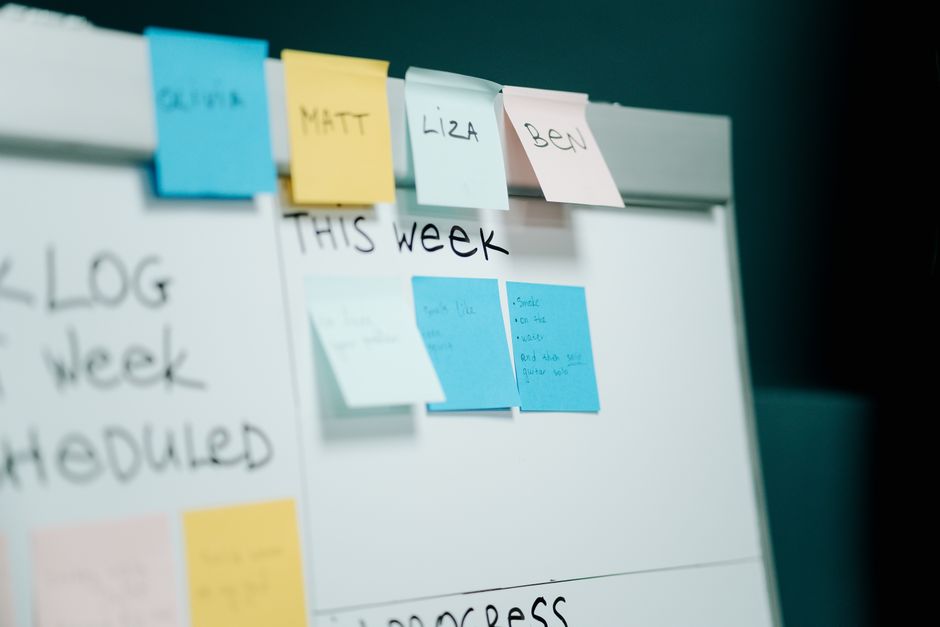
Choosing which tasks to automate first for a small business
The Primedia Marketing team setting up AI automation for a small business

How Primedia Helps You Put AI Automation to Work

You do not need to be technical, or to understand the jargon, to benefit from AI automation. You simply need to know which jobs are stealing your time. Our role is to translate that into practical, reliable automations that fit how you already work, then keep an eye on them so they carry on saving you hours rather than causing new headaches.

As a digital marketing and AI automation agency in Wales, we help small businesses every week to answer customers faster, clear their admin and keep their marketing running without constant attention. We start small, prove the value on one task, and build from there, so you always see the benefit before investing in the next step.

If you are tired of losing evenings to repetitive work, AI automation is the most practical change you can make this year. Get in touch with our team for a straightforward, jargon-free chat about which tasks we could take off your plate, and we will help you win those hours back.

Primedia Marketing answering questions about AI automation

Frequently Asked Questions

What is AI automation for a small business?

AI automation uses smart software to handle repetitive, time-consuming tasks automatically, such as answering common customer questions, sending invoices, booking appointments, following up on leads and scheduling marketing. It does the predictable work in the background so you and your team can focus on the jobs that actually grow the business, without the tasks slipping through the cracks.

It varies by business, but research suggests well-implemented automation can save twelve or more hours a week. The exact figure depends on how much repetitive work you currently do by hand. Most small businesses find the biggest savings come from customer enquiries, admin like invoicing and scheduling, and following up on leads quickly and consistently.

No. The whole point is to make life simpler, not more complicated. While the setup needs some know-how to connect your tools and train the systems correctly, you do not need any technical skill to benefit. A good agency handles the build and explains it in plain English, so you just enjoy the time it gives back.

Not when it is set up well. Automation handles the routine, repetitive parts, freeing you to spend more quality time on the conversations that matter. AI assistants answer simple questions instantly and hand anything complex or sensitive to a human. Used properly, automation actually improves service, because customers get faster replies and you have more time for them.

Start with the single task that frustrates you most or eats the most hours, rather than trying to automate everything at once. For many businesses that is customer enquiries or admin such as invoicing and scheduling. Automate one thing well, keep a person checking it at first, feel the benefit, then build from there step by step.

Share:

Facebook
X
LinkedIn

Related articles: